4y 8m ago
28 Mar 2022· from Facebook
✨Long-Term Reforms for Education It is undeniable that education is one of the most significant areas that has vital role in the progress of any country. Education has to be dynamic to be in par with globalization and technological advancement. Our children have to be equipped to face the challenges and seize opportunities. To accomplish so, is a set of long-term reforms. The emphasis of long-term reforms are moving to 21-C competencies, reducing and localizing curriculum, moving from summative to formative assessment, entrenching in-service teacher development, reforming entry criteria for post-secondary institutions, promoting skills through TVET and appropriate and reliable infrastructure. Implementation of the aforementioned long-term reforms across the education system assures uplift in education nationally and globally. For a child to develop and prepare for the future also means to able to compete internationally, for which individual has to imbibe the competencies of the present time and that is by moving to 21st century competencies. 21- C has core values which shapes character and reminds of shared societal and national value. The social-emotional competencies develops self-identity and overall decision making. And then the competencies for globalized world that help the children to seize worldwide opportunities. This competencies helps our children to be nationally rooted and globally competent. Being nationally rooted thus calls for reducing and localizing curriculum. This allows learning to become meaningful and relevant. The learning becomes time based and place based. Moreover children can connect more with learning by deriving parallelism between the curriculum and the reality hence making learning meaningful and cheerful. In addition to changes in curriculum there is need for moving from summative to formative assessment. Formative assessment inclines towards personalized learning because of its provision to record information regarding a student’s method to learning. It allows the assessors to provide instant constructive feedback and enhance assessment to suit broader cohort. Moreover children have that flexibility to learn at their own pace and improve. Formative assessment aids children to set their own goals and track their progress which further empowers them for higher order learning. Entrenching in-service teacher development should be one of the focus in uplifting education. In-service training enriches professionalism in teachers contributing to achieving the organization’s goals. The teachers gets better equipped with various skills and knowledge to handle new challenges and reformation in education. Likewise it boosts their efficiency and motivation to work. Therefore with age, experiences and professional training they continue to become more productive. Equally importance should be given to reforming entry criteria for post-secondary institution. Especially raised entry points and providing greater transparency about requirement in entry criteria will instantly add on to the educational reforms. Unrestricted offer-making for self-funding candidates regardless of their grades only degrades the educational quality. Raise in the points of the entry criteria with transparency and restriction of offer-making will ensure educational quality as that of international level. In addition to it promoting skills through TVET is another long-term reform for up scaling education. The best provision of TVET is that it promotes practical skills in cost efficient way. It has various specialized programmes options such as carpentry, welding, auto-repair, catering, culinary art and more. Children get flexible schedules with hands-on involvements which grooms them for well-paying career opportunities. Likewise the need of appropriate and reliable infrastructure is undermined yet an important long-term reform for promoting education. Proper infrastructure has to be provided if children are to perform better. For example construction of IT labs across the schools in all the dzongkhags including ECRs and Primary schools will assure more advancement in ICT. Right from the early age children will be technologically advanced. As a final point the long-term reform of education specifically moving to 21-C competencies, reducing and localizing curriculum, moving from summative to formative assessment, entrenching in-service teacher development, reforming entry criteria for post-secondary institutions, promoting skills through TVET and appropriate and reliable infrastructure are the building blocks of country’s future generation. Therefore, paves the path for our children and equips them with the necessary knowledge and skills to face the challenges of globalization and advanced technology without forgetting their shared societal and national values. Contributed by: MS. MALATI SUNAR TEACHER SARPANG CENTRAL SCHOOL ✨Long-Term Reforms for Education It is undeniable that education is one of the most significant areas that has vital role in the progress of any country. Education has to be dynamic to be in par with globalization and technological advancement. Our children have to be equipped to face the challenges and seize opportunities. To accomplish so, is a set of long-term reforms. The emphasis of long-term reforms are moving to 21-C competencies, reducing and localizing curriculum, moving from summative to formative assessment, entrenching in-service teacher development, reforming entry criteria for post-secondary institutions, promoting skills through TVET and appropriate and reliable infrastructure. Implementation of the aforementioned long-term reforms across the education system assures uplift in education nationally and globally. For a child to develop and prepare for the future also means to able to compete internationally, for which individual has to imbibe the competencies of the present time and that is by moving to 21st century competencies. 21- C has core values which shapes character and reminds of shared societal and national value. The social-emotional competencies develops self-identity and overall decision making. And then the competencies for globalized world that help the children to seize worldwide opportunities. This competencies helps our children to be nationally rooted and globally competent. Being nationally rooted thus calls for reducing and localizing curriculum. This allows learning to become meaningful and relevant. The learning becomes time based and place based. Moreover children can connect more with learning by deriving parallelism between the curriculum and the reality hence making learning meaningful and cheerful. In addition to changes in curriculum there is need for moving from summative to formative assessment. Formative assessment inclines towards personalized learning because of its provision to record information regarding a student’s method to learning. It allows the assessors to provide instant constructive feedback and enhance assessment to suit broader cohort. Moreover children have that flexibility to learn at their own pace and improve. Formative assessment aids children to set their own goals and track their progress which further empowers them for higher order learning. Entrenching in-service teacher development should be one of the focus in uplifting education. In-service training enriches professionalism in teachers contributing to achieving the organization’s goals. The teachers gets better equipped with various skills and knowledge to handle new challenges and reformation in education. Likewise it boosts their efficiency and motivation to work. Therefore with age, experiences and professional training they continue to become more productive. Equally importance should be given to reforming entry criteria for post-secondary institution. Especially raised entry points and providing greater transparency about requirement in entry criteria will instantly add on to the educational reforms. Unrestricted offer-making for self-funding candidates regardless of their grades only degrades the educational quality. Raise in the points of the entry criteria with transparency and restriction of offer-making will ensure educational quality as that of international level. In addition to it promoting skills through TVET is another long-term reform for up scaling education. The best provision of TVET is that it promotes practical skills in cost efficient way. It has various specialized programmes options such as carpentry, welding, auto-repair, catering, culinary art and more. Children get flexible schedules with hands-on involvements which grooms them for well-paying career opportunities. Likewise the need of appropriate and reliable infrastructure is undermined yet an important long-term reform for promoting education. Proper infrastructure has to be provided if children are to perform better. For example construction of IT labs across the schools in all the dzongkhags including ECRs and Primary schools will assure more advancement in ICT. Right from the early age children will be technologically advanced. As a final point the long-term reform of education specifically moving to 21-C competencies, reducing and localizing curriculum, moving from summative to formative assessment, entrenching in-service teacher development, reforming entry criteria for post-secondary institutions, promoting skills through TVET and appropriate and reliable infrastructure are the building blocks of country’s future generation. Therefore, paves the path for our children and equips them with the necessary knowledge and skills to face the challenges of globalization and advanced technology without forgetting their shared societal and national values. Contributed by: MS. MALATI SUNAR TEACHER SARPANG CENTRAL SCHOOL
1 more photograph from that day
3 months ago
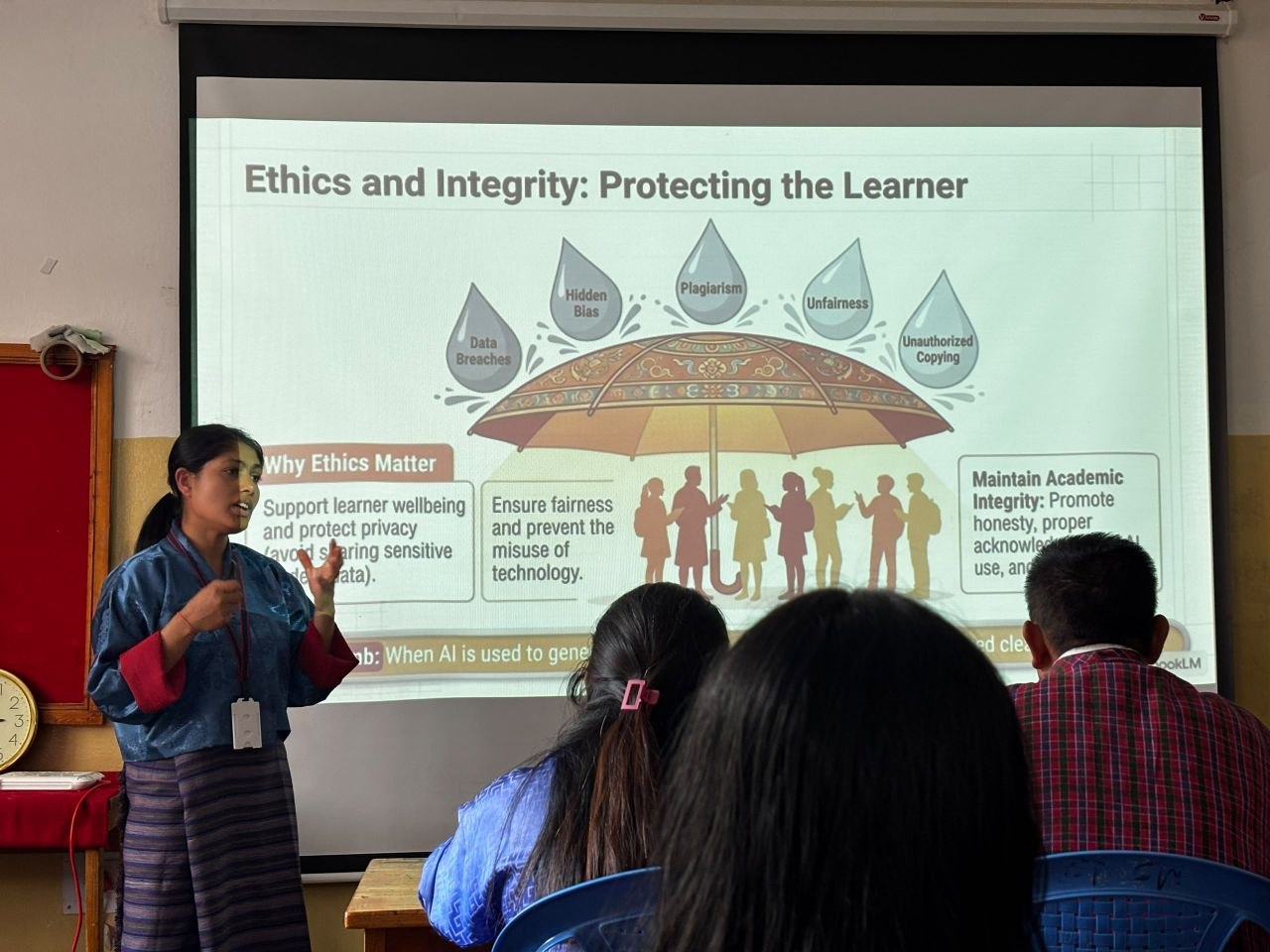
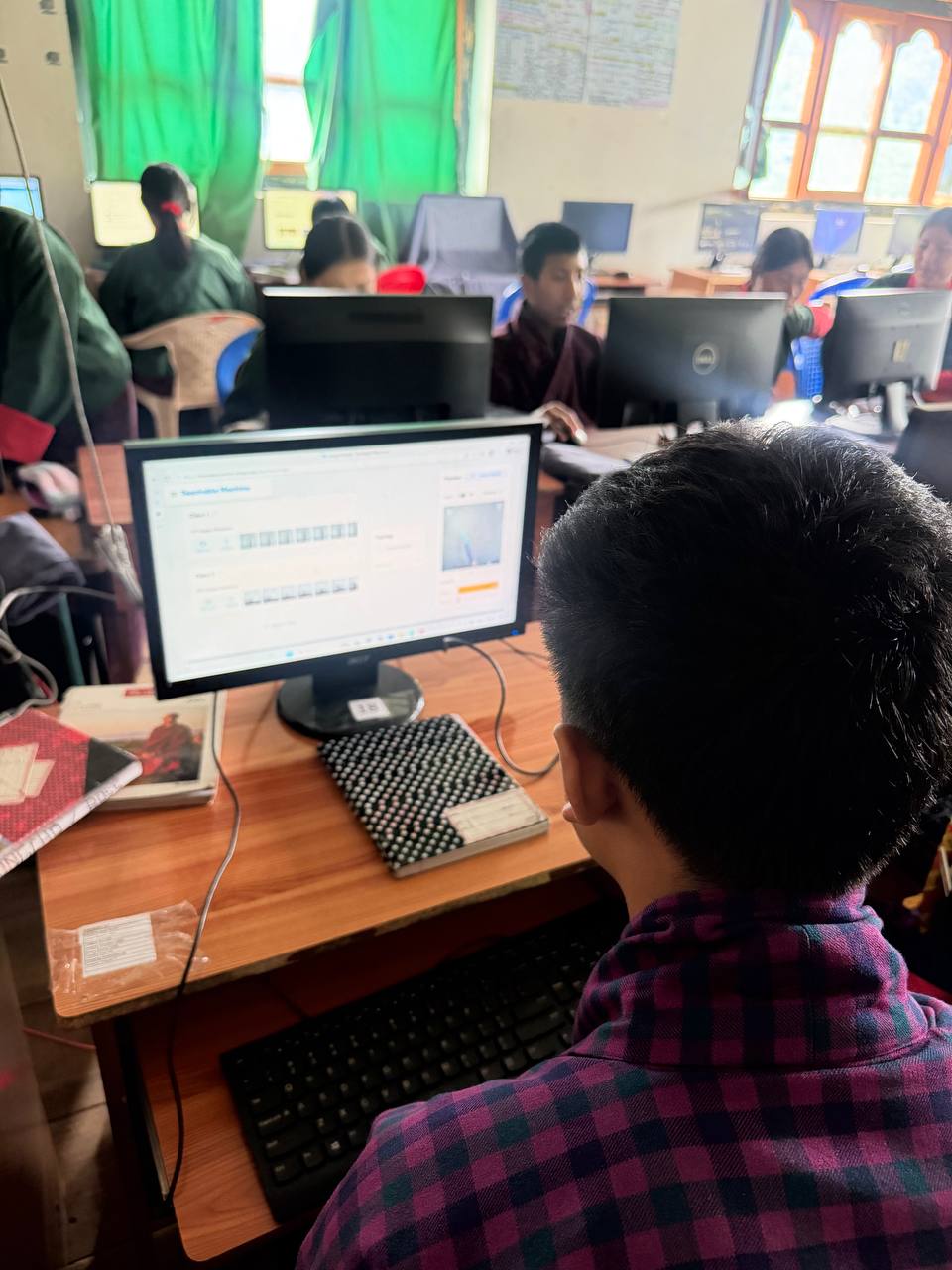
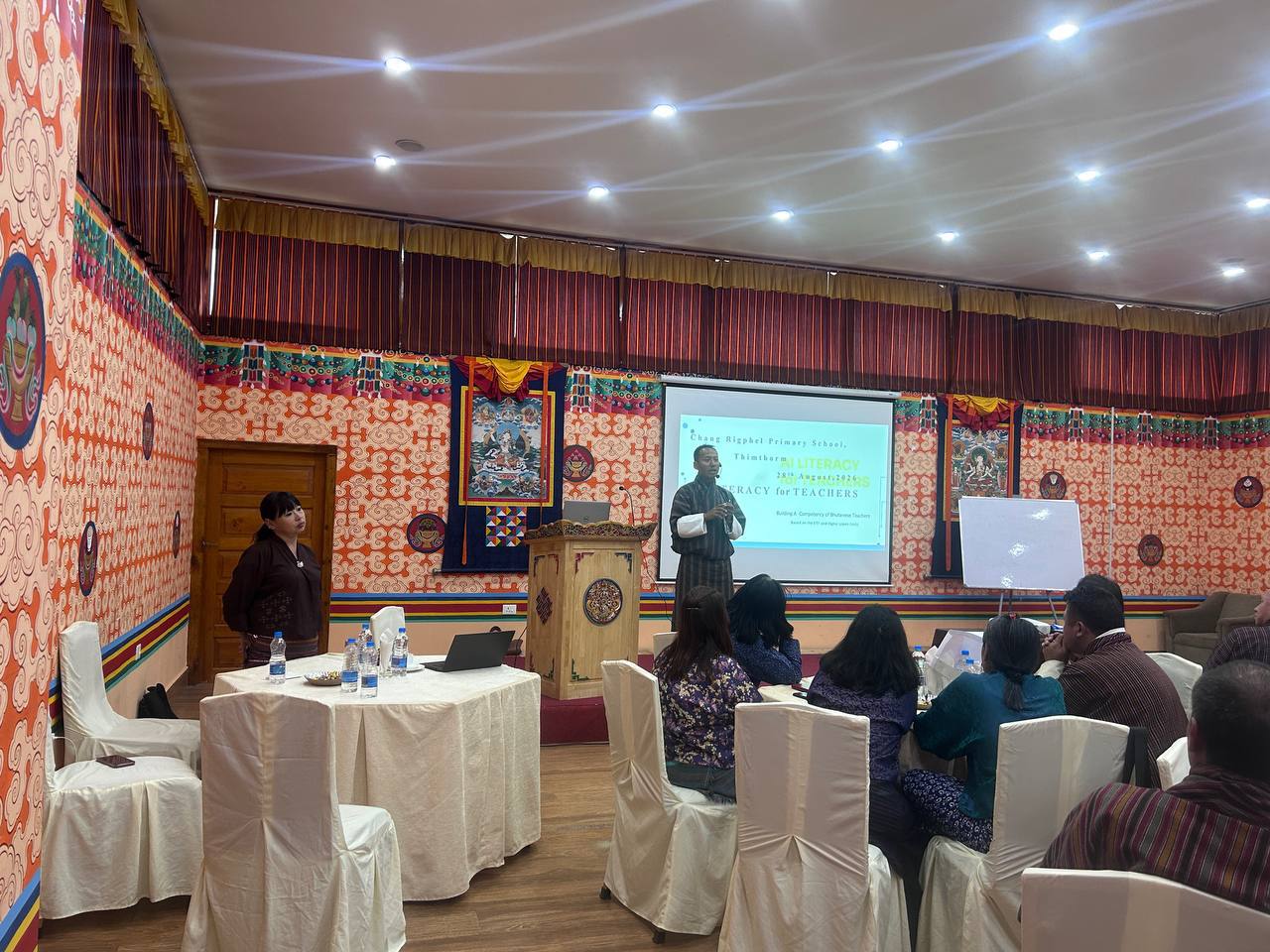
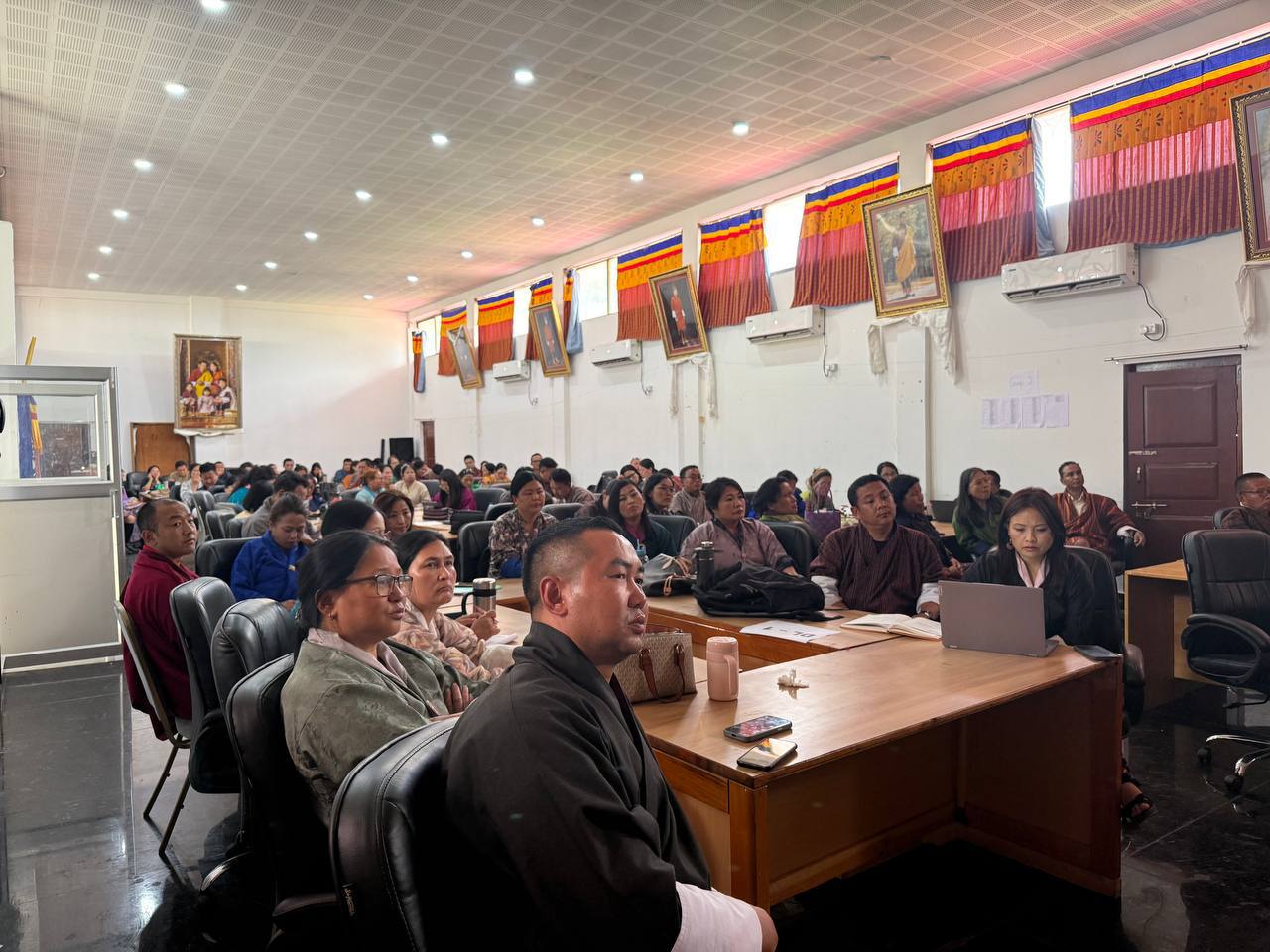
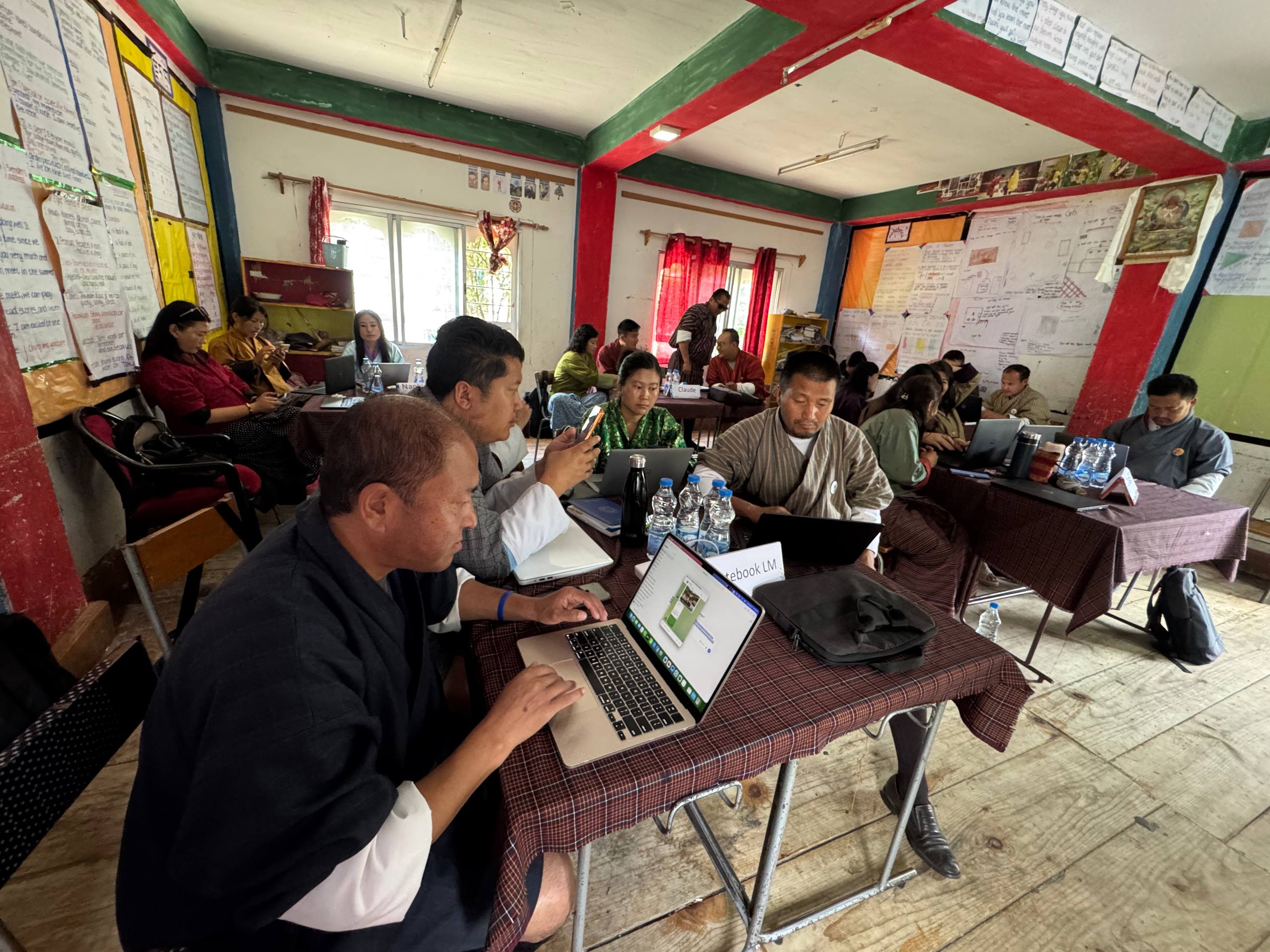
SBIP on AI literacy conducted at Bjemina Primary School, Thimphu Dzongkhag.
22 Aug 2026